We're seeing big changes in how we build homes today. In Australia, people want homes that look good and are good for the planet. Modular building is leading this change, mixing new designs with care for the environment.
Homes are being built in new ways, focusing on being green without losing comfort or style. This is especially true in Australia, where the environment and housing needs are pushing for sustainable building practices.
Modular architecture has changed a lot over time. It started as a practical solution and now it's all about design. This change shows how the building industry keeps innovating and adapting.
Modular architecture began as a way to save money and time. But, it has grown into something more. Now, it's about creating beautiful, functional spaces.
Architectural expert Richard Blythe says, "Modular construction is no longer just about efficiency; it's about creating beautiful, functional spaces that challenge traditional building norms." This change has brought in modern prefab design trends. Now, modular homes are not just good for the planet but also look great.
Australia has really taken to modular architecture. It fits well with our unique landscapes and climate. The rise of modular building here is due to many reasons.
These include the need for affordable housing, a focus on sustainability, and better technology. Transportable modular design solutions are now in demand. They offer flexible and efficient ways to build homes.
A report by the Australian Modular Building Association shows big benefits. Modular construction cuts down on time and waste. This makes it even more appealing to Australians.
Exploring sustainable modular architecture, we find its core principles are key. It combines innovative design with green practices. This makes it a strong choice against traditional building methods.
Sustainable modular architecture is based on a few main ideas. These are prefabrication, standardization, and assembly-line efficiency. Prefabrication means making building parts in a factory, which cuts down on waste and boosts precision.
Standardization lets us create modular units that can be easily made and put together on-site. Assembly-line efficiency makes building faster and cheaper. This way, sustainable modular architecture balances design quality with caring for the environment.
Modular construction has big environmental wins over traditional building. It shines in reducing waste and cutting down on carbon emissions.
Building in a factory cuts down on waste by using materials more efficiently. This method helps save resources and lowers environmental harm.
Modular buildings have a smaller carbon footprint from start to finish. This is thanks to efficient making, smart transport, and using green materials.
In Australia, modular homes are good for your wallet. They save time and money on labor and might even save on energy. Plus, they keep their value well.
Modular homes also last long and need less upkeep. As Australia's housing market grows, modular homes are key in solving affordability and green issues.
Modern prefabricated homes are changing how we think about home design. They mix eco-friendly ideas with the latest in style. This shift in the modular home world brings together great design and green living.
The old idea that prefabs are just boxes is fading fast. Today's modular homes are full of creativity and new shapes. They have big windows and smooth finishes.
Australian architects are leading the way. They use dramatic cantilevers and seamless indoor-outdoor connections. This makes homes feel like they're part of the outdoors.
One big plus of modern prefabs is how much you can customize them. You can pick everything from the design to the materials and finishes. This lets homeowners make their homes truly unique.
Whether it's adding smart home technology or choosing green materials, the choices are endless. It's all about making a home that's truly yours.
The latest in prefab home design is really changing things. We're seeing sculptural forms and creative material applications. These add to the beauty of the homes and help them be more eco-friendly.
Australian builders are leading this change. They're pushing what's possible in prefab homes. The result is homes that stand out and are good for the planet.
Sustainability is key in modern modular architecture. Eco-friendly design and technology are changing how homes are built and lived in Australia.
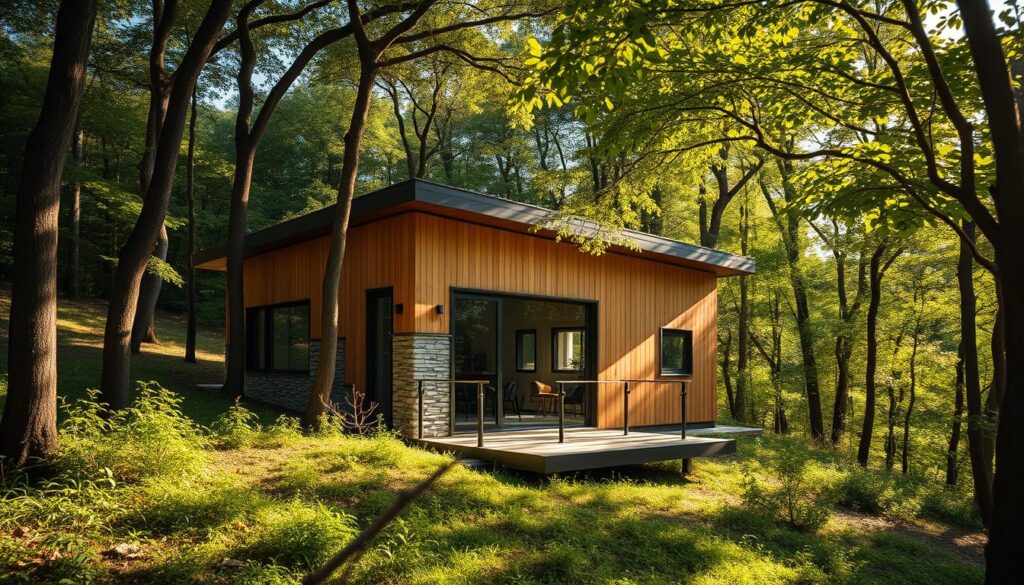
Modern modular homes in Australia focus on energy efficiency. They use passive design for the country's varied climates. This makes them comfortable and energy-saving.
Solar power and battery storage are big in modular homes. Solar panels are common, cutting down on grid use. Battery systems ensure power, even when it's needed most.
Modular homes also use natural ventilation and thermal control. Smart window placement and thermal materials help keep temperatures right. This cuts down on the need for air conditioning and heating.
The choice of materials is crucial in modular homes. There's a move towards recycled, sustainable, and local materials. This reduces environmental impact and supports the circular economy.
Key strategies include:
Water conservation is vital in Australia. Modular homes use various features to save water and manage it efficiently.
Some water-saving strategies include:
By focusing on sustainability, modular homes in Australia are eco-friendly and cost-effective. They offer comfortable living solutions.
Australia is leading in eco-friendly modular design. Architects and builders are pushing the limits of green building. This change is driven by people wanting to help the planet and fight climate change.
Australian architects are changing the game in eco-conscious design. Architects like Neville Mars and Philip Bell are mixing sustainability with creative designs. Their work cuts down on environmental harm and redefines what modular homes can be.
Sydney is a hotspot for eco-friendly, stylish modular homes. Designers are using modular construction's unique benefits to create homes that fit Sydney's climate and city life. We see creative material use, smart layouts, and a focus on saving energy.
Regional Australia is also seeing a modular design boom. Homes are being built to withstand bushfires and harsh coastal weather. Modular construction is proving to be a smart, effective choice.
In bushfire-prone areas, homes are being made with bushfire-resistant materials and BAL (Bushfire Attack Level) compliant features. These homes are safer and give homeowners in danger zones peace of mind.
Modular homes are solving building challenges in coastal and remote spots. They can handle extreme weather, like strong winds and salty air, making them perfect for these areas.
Thinking about getting a custom modular home in Sydney? It's important to know the practical sides. Modular homes are good for the planet, save energy, and let you design your dream home. But, it's all about planning well and doing it right.
Finding the right spot for your modular home is tricky. The site needs to let in big modules and have room for cranes. Also, the slope and soil are key for the foundation and keeping the home stable. Check the site carefully to avoid extra costs later.
A good site makes building easier. Make sure services like electricity and water are ready and match your home's needs. Getting the site ready right can save you from delays and extra expenses.
| Site Factor | Consideration | Impact on Modular Home |
|---|---|---|
| Access Roads | Width and Condition | Delivery of Modules |
| Site Gradient | Slope and Levelness | Foundation Design and Stability |
| Soil Conditions | Type and Stability | Foundation Type and Cost |
Getting a loan for a modular home in Australia is different. Loans for prefabs might need payments at certain stages. Knowing this helps with your budget and planning.
"Modular homes are not just a cost-effective alternative to traditional housing; they're also a smart investment in sustainability and efficiency."
Insurance for modular homes has its own rules. Make sure your policy covers the build, the finished home, and transport risks. Choose insurers who get modular building.
Building a modular home is quicker than traditional houses. But, design, council approvals, and site prep can affect the time.
Knowing these steps and times helps set realistic goals for your project. With good planning and the right team, your modular home journey will be smooth and quick.
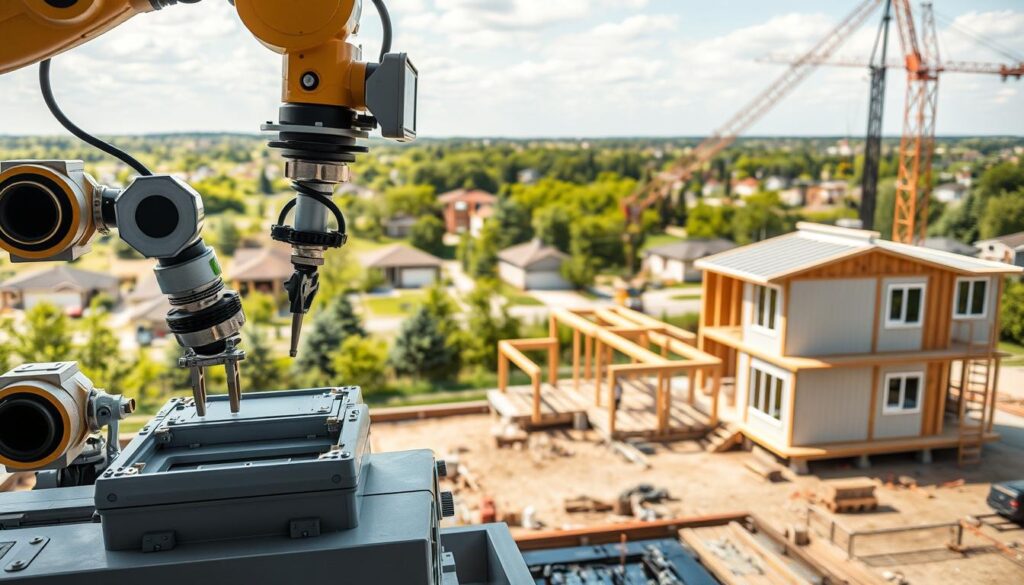
Exploring transportable modular design solutions is key. We must tackle the challenges this approach faces. Sustainable modular architecture brings many benefits, but the industry has obstacles to overcome for growth and success.
The modular construction industry in Australia faces many rules. Building codes, local council rules, and planning regulations are complex. These rules can make modular projects hard, especially when they differ by state or territory.
Some places have updated their codes for prefabricated construction. But others still pose challenges for modular builders.
| State/Territory | Building Code Updates | Challenges for Modular Builders |
|---|---|---|
| New South Wales | Updated codes for modular construction | Limited flexibility for non-compliant designs |
| Victoria | Streamlined approval process for modular homes | Higher standards for energy efficiency |
| Queensland | Specific guidelines for modular construction | Cyclone-resistant design requirements |
Experienced builders have found ways to deal with these rules. Prospective buyers should know about the approval process for modular homes.
There's still a stigma about prefabricated housing in Australia. People think modular homes are of lower quality or less customizable. But modern modular homes are designed with beauty and function in mind, offering many customization options.
The industry is working to change these views. They're using showcase projects, education, and open homes to show the quality and design of modular homes.
Modular construction has many benefits, but it also has technical challenges. These include transport size limits, module connection issues, and site access problems. But Australian designers and manufacturers have found creative solutions.
These solutions have allowed for more complex and sophisticated modular designs. This has made sustainable modular architecture even more appealing.
Sustainable modular architecture is on the brink of a new era. Innovations promise to boost both environmental and economic sustainability. The integration of cutting-edge technologies and sustainable practices will redefine the modular home industry in Australia.
The modular construction industry is changing thanks to new technologies. 3D printing, robotics in prefabrication, and advanced composite materials are leading the way. These innovations make the manufacturing process more efficient and reduce environmental impact.
For example, 3D printing cuts down on waste by creating complex components. Advanced materials improve insulation and durability. This means homes are more energy-efficient and sustainable.
Digital twin technology is another big step forward. It allows for virtual testing of homes before they're built. This streamlines design and construction, ensuring homes are optimized for energy efficiency and sustainability.
Australia is facing climate change challenges, and modular homes are adapting. Designers are adding features that enhance resilience. This includes homes that can be modified, generate more energy than they use, and operate off-grid during emergencies.
For instance, homes can have solar panels, rainwater harvesting systems, and advanced insulation. This reduces their carbon footprint.
"The future of housing is not just about building homes; it's about creating sustainable, resilient communities that can thrive in the face of climate change."
The future of modular homes in Australia looks bright for affordability and accessibility. Advances in manufacturing and economies of scale are lowering costs. This makes sustainable modular homes more accessible to more Australians.
Innovative business models, like modular home packages and community land trusts, also help. They make homes more affordable.
| Trend | Impact | Benefit |
|---|---|---|
| Advanced Manufacturing | Reduced construction time | Lower labor costs |
| Sustainable Materials | Enhanced energy efficiency | Reduced utility bills |
| Innovative Financing | Increased accessibility | Broader market reach |
As these trends grow, the modular home industry will make a big impact on Australia's housing market. It will offer sustainable, resilient, and affordable housing solutions.
Modular architecture has changed a lot, moving from simple to stylish and green. It now beats old ways in looks and being good for the planet. New modular designs are making homes that look great and are kind to the earth.
In Australia, where the weather and caring for the planet matter a lot, modular homes are key. They help solve housing problems and support green building. It's time to see prefabricated homes in a new light and discover what modern modular design can do.
We see a future where homes are green, beautiful, and work well. By using the creativity and care for the planet in modern modular homes, we can make spaces that are good for us and the earth.
Accredited & Certified


 NSW Builder LicenceNo. 282297C
 HIA Member591826